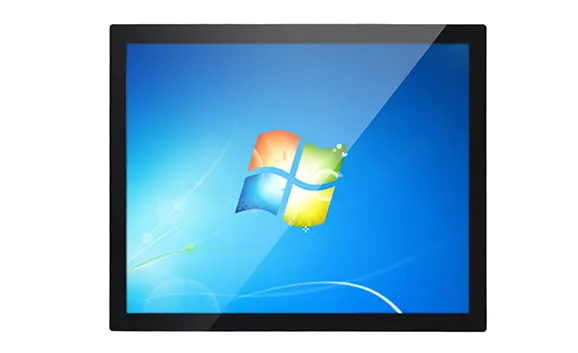
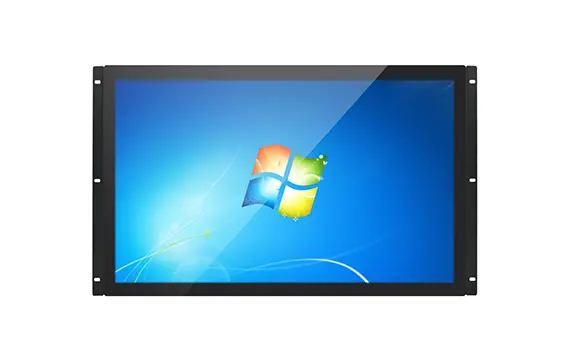
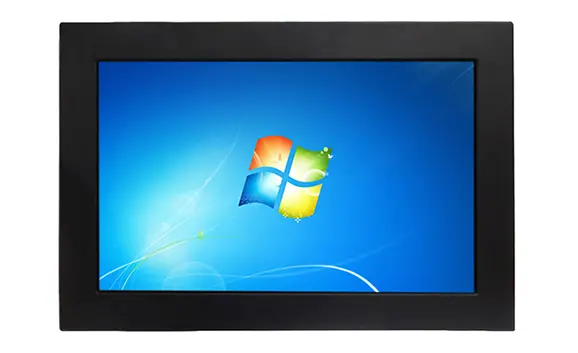
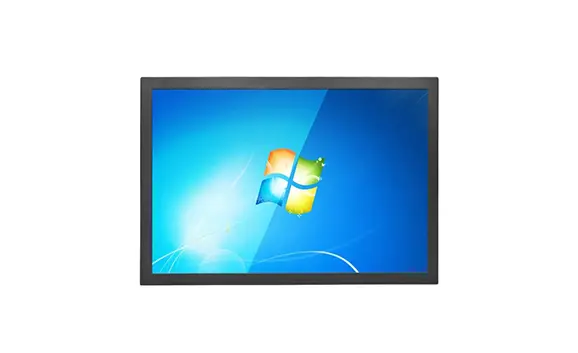
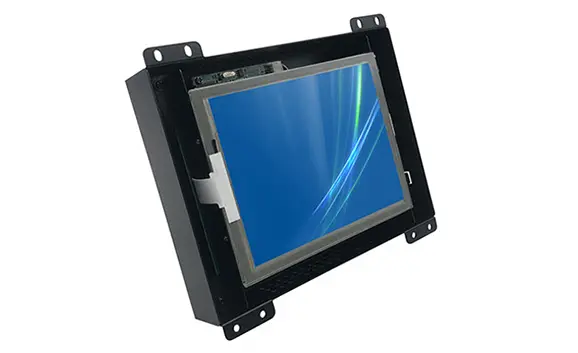
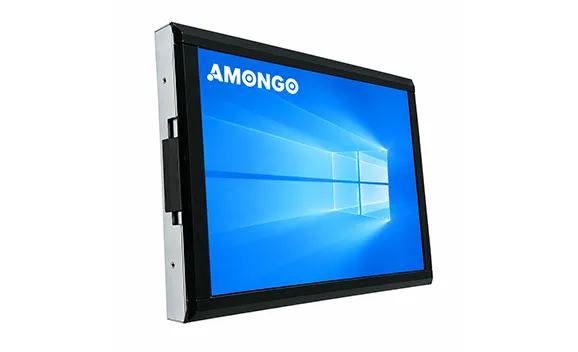
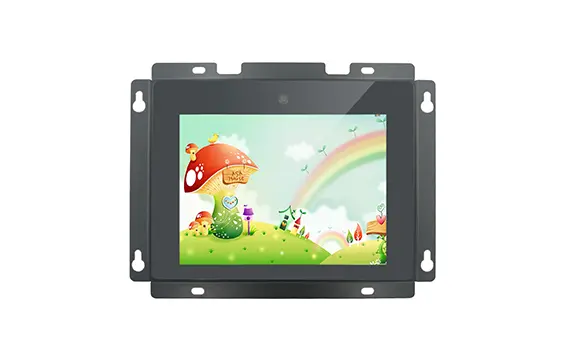
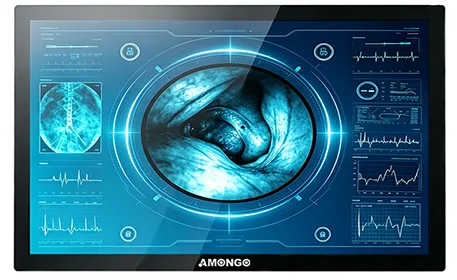
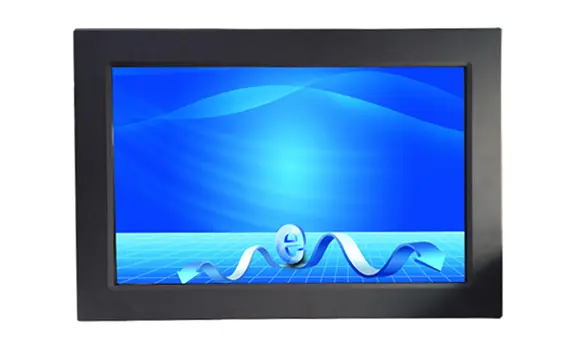
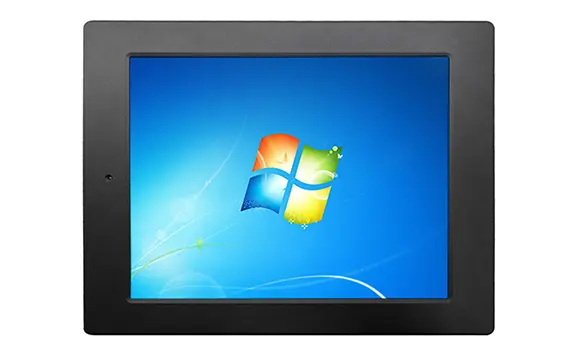
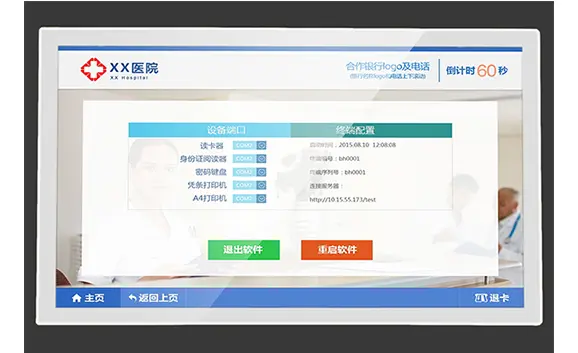
ATM terminals and self-service kiosks rely on display systems to provide clear information, smooth interaction, and reliable operation. Choosing the right ATM display screen requires more than considering image quality. Factors such as touch performance, brightness, mechanical integration, interface compatibility, and long-term stability all influence the final user experience.
For banks, kiosk manufacturers, and system integrators, a suitable display solution should support continuous operation while adapting to different application environments. AMONGO provides customized industrial display solutions for banking equipment, kiosks, and self-service terminals, helping customers develop reliable and efficient display systems.
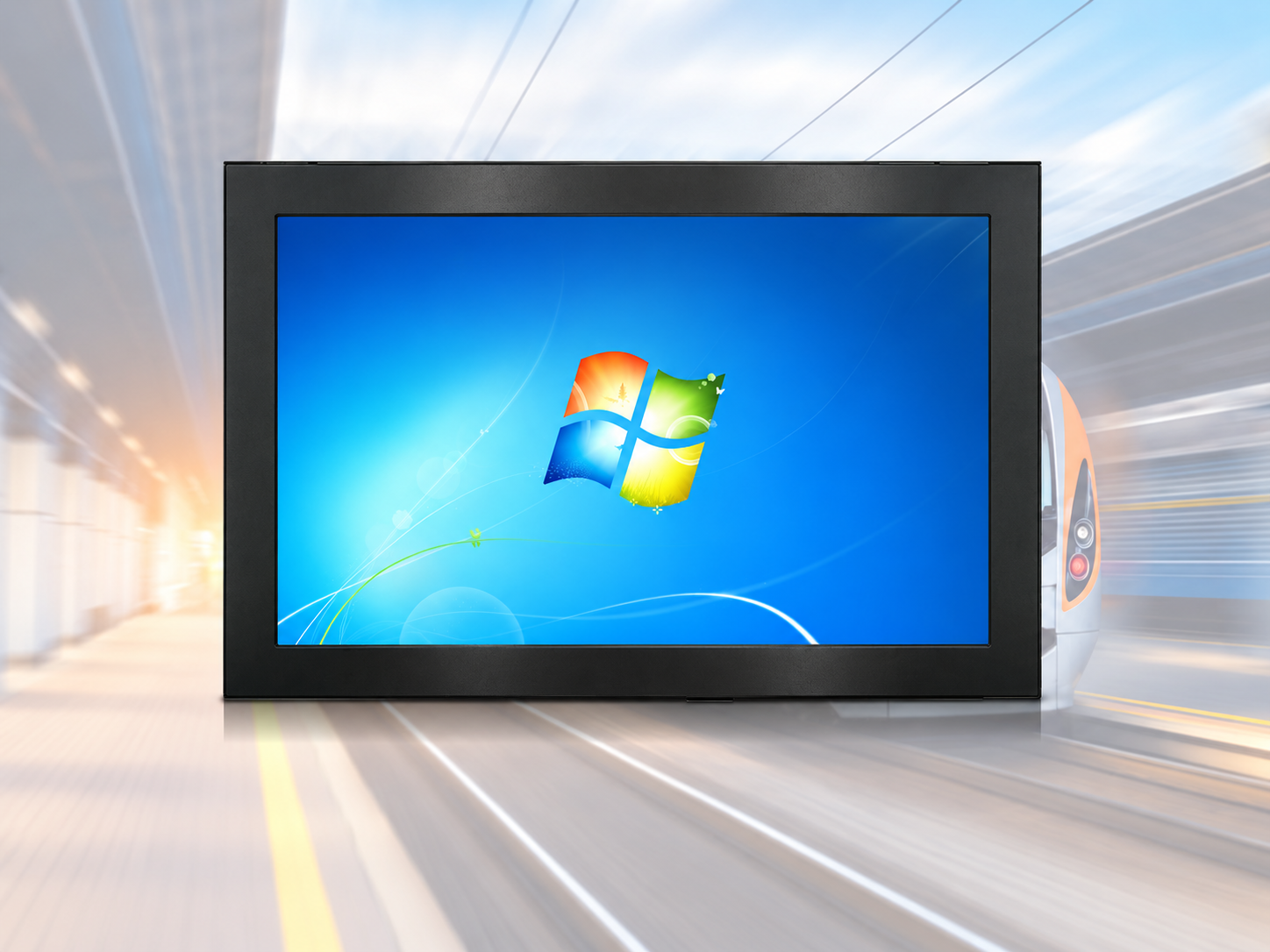
An ATM display screen is not only responsible for showing transaction information but also serves as the main interaction interface between users and machines.
Compared with ordinary consumer displays, ATM displays need to work continuously for long periods and maintain stable performance under frequent operation. They should provide clear visibility, accurate touch response, and reliable integration with the complete terminal system.
Key requirements for ATM displays include:
Clear image presentation for transaction instructions and user information.
Responsive touch interaction for self-service operations.
Stable performance during long working hours.
Compatibility with different ATM structures and control systems.
A well-designed display solution can improve user experience while reducing maintenance issues caused by unsuitable components.
The size and structure of an ATM display directly affect equipment design and installation efficiency.
Before selecting a display, manufacturers need to evaluate the available installation space, screen dimensions, resolution requirements, and mounting structure. A suitable display should fit seamlessly into the ATM housing while maintaining comfortable viewing and operation.
Different applications may require different display configurations. Compact self-service terminals may need space-saving designs, while larger kiosks may require bigger screens with enhanced visibility.
Mechanical compatibility is also important for replacement and upgrade projects. Factors such as mounting holes, panel thickness, and installation method should be considered during product selection.
AMONGO supports customized display solutions based on customer requirements, helping manufacturers integrate displays into various banking and kiosk systems.
User interaction and visibility are critical factors when choosing an ATM display screen.
ATM machines may be installed in different environments, including indoor banking areas, transportation stations, shopping centers, and semi-outdoor locations. Therefore, display brightness, viewing angle, and surface protection need to match the actual application conditions.
Touch functionality is another important consideration. A reliable touch system should provide accurate operation while maintaining durability under frequent daily use.
Manufacturers should evaluate:
Touch technology and interaction requirements.
Brightness level and viewing angle.
Anti-glare and protective surface options.
Environmental conditions during operation.
For projects requiring specific configurations, AMONGO can provide customized solutions with different touch functions, display sizes, and performance options.
ATM and kiosk systems usually require years of continuous operation, making durability and serviceability essential during display selection.
Industrial-grade displays are designed for stable operation and better adaptability compared with standard consumer monitors. Reliable components, suitable interfaces, and convenient maintenance support can help reduce downtime and improve equipment lifespan.
Common considerations include operating temperature range, front panel protection, and interface compatibility such as VGA, DVI, HDMI, and USB.
For customers looking for reliable atm screens, selecting an experienced industrial display supplier can help ensure better compatibility, stable supply, and technical support throughout the product lifecycle.
Selecting an ATM display screen requires evaluating both technical specifications and project requirements.
Important factors include:
Screen size and resolution requirements.
Touch function and user interaction methods.
Installation structure and mechanical compatibility.
Brightness requirements and operating environment.
Interface options and future maintenance needs.
A professional supplier should provide not only display hardware but also customization support based on specific ATM or kiosk designs.
The supplier’s technical capability plays an important role in successful ATM display projects. Beyond providing standard products, an experienced manufacturer should be able to support customization, integration, and long-term cooperation.
For applications requiring special dimensions or functions, customized display solutions can help manufacturers achieve better product integration. AMONGO provides solutions including custom size LCD monitor options to meet different banking, kiosk, and self-service terminal requirements.
With experience in industrial display technology, AMONGO helps customers develop reliable systems with suitable performance, flexible configurations, and long-term stability. As one of the professional industrial lcd monitor manufacturers, AMONGO focuses on providing display solutions for demanding commercial and industrial applications.
Selecting the right ATM display screen requires balancing visibility, touch performance, durability, and integration requirements. Banking and kiosk applications need displays that can operate reliably under continuous use while adapting to different environments and designs. By evaluating screen specifications, mechanical structure, interfaces, and customization capabilities, businesses can choose suitable display solutions for long-term performance. AMONGO provides professional industrial display products and customized services to support reliable ATM and self-service system development.
ATM display screens are designed for continuous operation, reliable touch interaction, and integration with self-service equipment, while normal monitors are mainly designed for general consumer use.
Yes. Some ATM display solutions can be customized with higher brightness, protective panels, and suitable components for outdoor or semi-outdoor applications.
Component quality, operating environment, usage frequency, temperature conditions, and maintenance practices can all influence display lifespan.
The suitable touch technology depends on the application environment, user interaction requirements, and durability expectations.
Yes. Manufacturers can customize screen size, touch functions, interfaces, and mechanical structures according to different ATM and kiosk designs.
Industrial displays provide better durability, customization flexibility, and long-term reliability, making them more suitable for banking equipment and self-service applications.