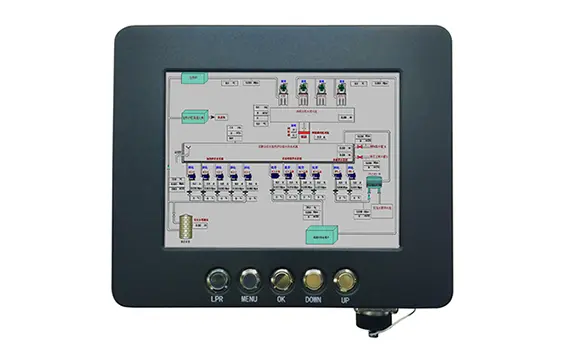
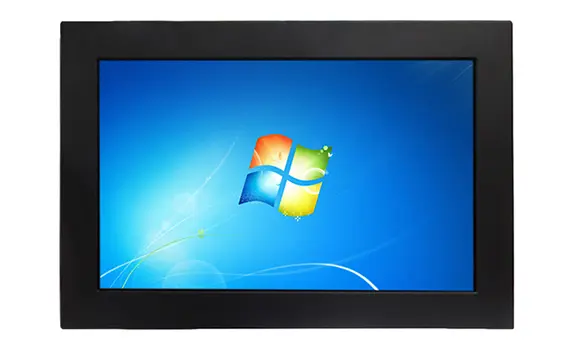
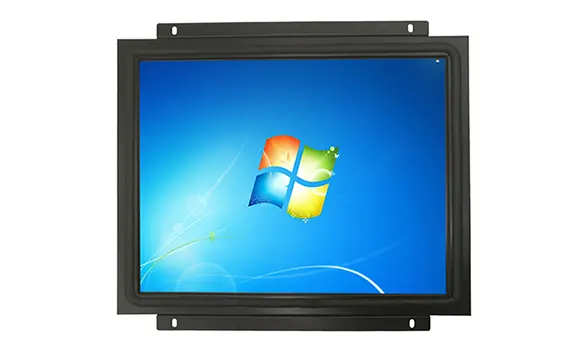
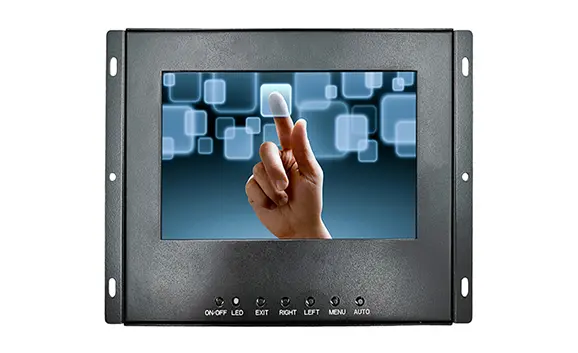
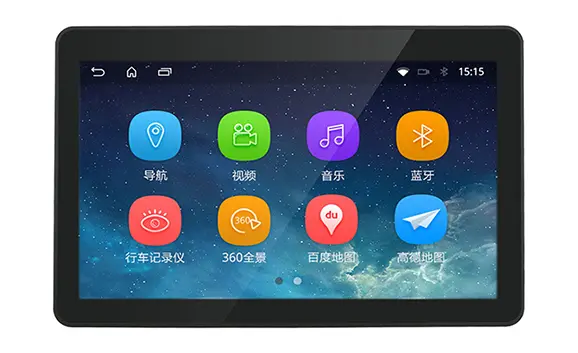
Industrial equipment installed outdoors or in harsh environments often faces extreme temperature challenges. Standard commercial displays may experience slow response, reduced visibility, or reliability issues when operating under very low or high temperatures. A wide temperature LCD display is designed to maintain stable performance across a broader temperature range, making it suitable for demanding industrial applications.
For equipment manufacturers, selecting a display for environments ranging from -30°C to 80°C requires more than checking a product specification. Engineers need to consider operating conditions, temperature fluctuations, display reliability, brightness performance, and long-term durability.
A suitable low temperature LCD display can maintain reliable operation in cold environments, while a high temperature LCD solution helps protect performance in applications exposed to heat. Choosing the right display technology allows industrial systems to operate more reliably in transportation, energy, automation, and outdoor equipment applications.
Amongo provides industrial display solutions designed for challenging environments, including wide temperature LCD monitors, high brightness displays, and customized solutions for OEM applications.
Most commercial LCD displays are designed for controlled indoor environments. However, industrial equipment often operates in locations where temperature conditions can change significantly throughout the year.
Low temperatures can affect liquid crystal response speed, causing slower image transitions and reduced display performance. In some cases, standard displays may require additional heating systems to achieve reliable startup.
High temperatures can also create challenges. Excessive heat may accelerate component aging, reduce electronic stability, and shorten the service life of display systems.
Industrial applications operating in extreme environments may face several challenges:
Cold environment performance: Low temperatures can affect response speed and startup reliability.
Heat exposure: High temperatures may reduce component lifespan and display stability.
Temperature cycling: Repeated changes between hot and cold conditions can impact long-term reliability.
A wide temperature display is designed to overcome these issues by using components and technologies optimized for broader operating conditions.
The lcd temperature range is one of the most important specifications when selecting an industrial display. It defines the temperature conditions under which the display can maintain stable operation.
Engineers should evaluate not only the normal working temperature but also startup conditions, storage requirements, and possible temperature fluctuations during operation.
| Temperature Requirement | Recommended Display Consideration |
|---|---|
| Cold environments | Choose a low temperature LCD display designed for low-temperature operation |
| Hot environments | Select a high temperature LCD solution with reliable components |
| Outdoor applications | Consider a wider operating temperature range |
| Continuous operation | Evaluate long-term stability and durability |
A low temperature LCD solution is typically used in applications where displays must remain functional in cold climates or outdoor installations. These displays are designed to maintain image quality and response performance under low-temperature conditions.
On the other hand, a high temperature LCD solution is suitable for applications exposed to heat sources, direct sunlight, or industrial environments with elevated temperatures.
Understanding the actual temperature requirements helps manufacturers avoid selecting displays that may fail after installation.
Selecting the right low temperature LCD display requires understanding the specific environment where the equipment will operate.
Important factors include:
Minimum operating temperature: The display should support the lowest expected working temperature.
Startup reliability: Outdoor equipment may need to power on correctly in cold conditions.
Visibility performance: Brightness and contrast should remain stable under temperature changes.
For example, transportation systems operating in cold regions require displays that can maintain clear images during winter conditions. Outdoor monitoring equipment may also need reliable performance during temperature fluctuations between day and night.
However, temperature capability should not be considered separately. Engineers should also evaluate display brightness, touch performance, viewing angle, and protection level to ensure the complete solution matches the application.
A wide temperature LCD monitor is commonly used in industries where equipment must operate reliably under changing environmental conditions.
Typical applications include:
Transportation systems exposed to outdoor weather conditions.
Energy equipment installed in remote or outdoor locations.
Industrial automation systems operating in uncontrolled environments.
Outdoor control cabinets requiring reliable human-machine interaction.
Different applications have different requirements. Transportation equipment may prioritize visibility and durability, while industrial automation systems may focus on continuous operation and resistance to environmental changes.
By selecting the right display technology during the equipment design stage, manufacturers can improve product reliability and reduce maintenance requirements.
Industrial equipment manufacturers need display suppliers that understand the challenges of extreme environments. Amongo provides industrial display solutions designed for applications requiring stable performance across wide temperature ranges.
With experience in industrial LCD development, Amongo supports OEM customers with customized solutions including wide temperature LCD monitors, touchscreen displays, and displays designed for demanding environments.
For companies selecting a wide temperature LCD display, working with an experienced supplier helps ensure the display meets requirements for temperature range, brightness, touch function, and equipment integration.
Amongo helps manufacturers develop reliable industrial products by providing display solutions that combine durability, customization capability, and stable performance.
Choosing the right wide temperature LCD display requires careful consideration of operating conditions, temperature requirements, and application environment. Whether a project requires a low temperature LCD display for cold conditions or a high temperature LCD solution for heat exposure, selecting the correct technology can improve equipment reliability.
Understanding the lcd temperature range and matching it with actual operating conditions helps manufacturers reduce risks and improve long-term performance.
Amongo provides industrial display solutions designed for extreme environments, helping OEM manufacturers achieve reliable operation in demanding applications.
A wide temperature LCD display is an industrial display designed to operate reliably across a broader temperature range than standard commercial displays.
Industrial equipment often operates outdoors or in uncontrolled environments where temperature changes can affect standard display performance.
A low temperature LCD display is used in applications requiring reliable operation in cold environments, such as transportation systems and outdoor equipment.
High temperatures can accelerate component aging and reduce display reliability, which is why high temperature LCD solutions are used in demanding environments.
Important factors include lcd temperature range, brightness, touch function, protection level, and application environment.
Yes. Amongo provides customized industrial display solutions based on temperature requirements, display size, touch function, and equipment integration needs.